Marking World Mental Health Day 2025 — A Call to Action in Times of Adversity
World Mental Health Day 2025 shines a light on “Mental Health in Humanitarian Emergencies.” This year’s theme calls for urgent action to integrate mental-health and psychosocial support into every stage of crisis response. Learn how communities, organizations, and individuals can promote resilience and healing in times of adversity.
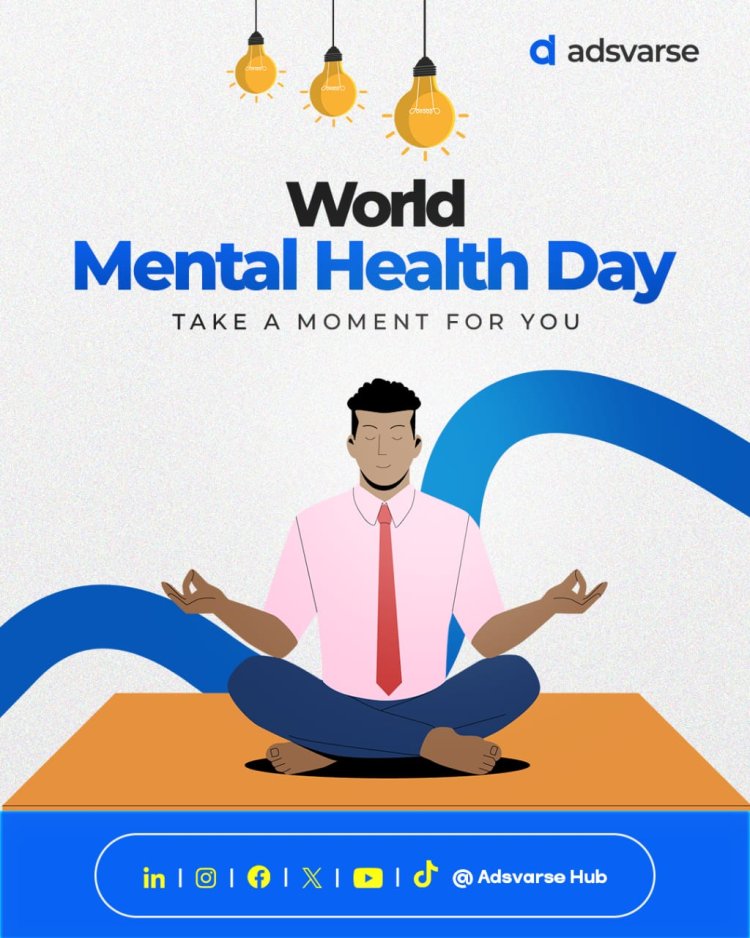
Every year on October 10, the world observes World Mental Health Day — a dedicated moment to raise awareness, reduce stigma and advocate for better mental health care worldwide
In 2025, the theme is “Mental health in humanitarian emergencies.” .This focus highlights the profound psychological and emotional toll of disasters, conflicts, forced displacement and other large-scale crises — and how crucial it is to ensure mental-health and psychosocial support (MHPSS) are part of every humanitarian response.
1. Why this theme matters
-
Emergencies—whether natural disasters, armed conflict, epidemics or mass displacement—don’t just damage infrastructure or health in the physical sense. They shatter lives, separate families, disrupt communities and often leave deep scars on mental health.
-
The World Health Organization (WHO) estimates that in crisis-affected settings, about one in five people may be living with a mental health condition.
-
Even for those not formally diagnosed with a mental-health disorder, the distress of living through emergencies may undermine recovery, resilience and community rebuilding.
-
Investing in mental-health support in emergencies is not a “nice-to-have” — it is essential to saving lives, rebuilding communities and strengthening health systems for the future.
2. What it means for those living in adversity
For people in crisis-affected regions (which may include many in low- and middle-income countries, or those affected by displacement, conflict, climate disaster or socio-economic collapse), this year’s theme brings particular relevance:
-
It highlights how access to mental-health and psychosocial support is often severely compromised in emergencies — due to damaged services, shortage of trained professionals, stigma, social fragmentation and resource shortages.
-
It asks policy-makers, humanitarian agencies and local communities alike to integrate mental-health care into emergency preparedness and response — from the earliest phases of a crisis through recovery and rebuilding
-
It signals the need for tailored, inclusive, culturally-sensitive support — so that children, older people, persons with disabilities, refugees and other vulnerable groups are not left behind.
3. Key messages to promote
-
It’s normal to feel distress in a crisis, but if the distress is persistent, disruptive or overwhelming, support is needed.
-
Mental-health and psychosocial support must be considered alongside food, water, shelter and physical health services.
-
Early, community-based interventions often make a big difference: peer support, safe spaces, group activities, routine restoration, and access to trained helpers.
-
Investing in MHPSS in emergency contexts is an investment in human and economic resilience. When people are supported emotionally and psychologically, they rebuild their lives, their families and their communities more effectively.
4. What can you do — locally, globally, personally
For communities & organisations
-
Support or advocate for mental-health services-in-emergencies to be included in humanitarian aid, disaster preparedness and community response plans.
-
Partner with local groups (faith-based organisations, youth groups, refugee associations) to set up safe-spaces, peer-support networks and psychosocial-first-aid training.
-
Use World Mental Health Day 2025 as a platform: hold a talk-session, workshop, webinar or community event around “mental-health in emergencies”.
For individuals
-
Recognise that adversity takes a psychological toll — conflict, displacement, natural disaster, economic collapse: these are not just ‘external events’, they affect minds and feelings.
-
If you or someone you know is in an emergency setting and feeling overwhelmed, anxious, hopeless or disconnected — reach out. Talk to someone trusted, seek professional help if available, or find peer-support.
-
Build your own resilience: maintain routines, stay connected socially (even amid disruption), rest when you can, look for meaning or contribution (helping others often helps you).
-
Reduce stigma: speak openly about mental-health, especially in crisis settings. The more we normalise help-seeking, the less lonely people feel.
5. Why this is especially relevant for Nigeria and similar contexts
In places where humanitarian emergencies — conflict, displacement, natural disaster, economic hardship — are occurring or likely to occur, such as regions of Africa including Nigeria, this year’s theme is highly relevant.
-
Humanitarian crises can overwhelm local health and social-services capacity, making mental-health support even more difficult to access.
-
Cultural, linguistic and resource-barriers may further hamper mental-health care and psychosocial support.
-
Community resilience, local leadership and peer-support networks become vital in bridging gaps.
-
Organisations and governments in these settings can use World Mental Health Day 2025 as an opportunity to advocate for budget, policy and service-integration around mental-health in emergencies.
6. Looking ahead — beyond a single day
World Mental Health Day is a focal point, but the commitments made today must carry forward:
-
Systems need to plan for sustained MHPSS, not just short-term relief.
-
Emergency-preparedness plans must include mental-health staff, psychosocial-support frameworks, safe-spaces and referral pathways.
-
Monitoring and evaluation: track how many people receive support, what kinds of interventions work in specific contexts, and ensure continuous learning.
-
Build inclusive services: children, older adults, persons with disabilities, displaced populations, host-communities — all deserve access.
Conclusion
On 10 October 2025, as the world marks World Mental Health Day under the banner of mental health in humanitarian emergencies, let us commit to action — not only awareness. In the face of adversity, whether caused by disaster, conflict, displacement, or socio-economic collapse, mental-health and psychosocial support are essential. They are not optional. They save lives, they rebuild communities, they sustain hope.
If you are reading this from a community affected by crisis, know this: you are not alone. If you are a practitioner, advocate, neighbour or student — you can be part of that support, that bridge, that voice for care.
Let this day be a starting point — for conversations, for commitments, for real change. Because no one should have to face the mental-health consequences of emergencies alone.
What's Your Reaction?